Wasatch Mountain State Park
Ready yourself for your visit to the Visitors Center by engaging in interactive activities and delving deeper into the information showcased in some of the exhibits you’ll encounter onsite.
A Fun Exploration of Wasatch Wildlife and How They Walk!
Explore the diverse wildlife of our region, including bobcats, moose, mountain lions, squirrels, rabbits, elk, deer, and beavers. Delve into the intriguing world of mammalian foot postures:
- Plantigrade: The entire foot rests flat on the ground – a trait shared by humans, beavers, and skunks.
- Digitigrade: Observed in canines and felines, where more weight is placed on the toes and the heel pad typically doesn’t touch the ground.
- Unguligrade: Exhibited by hooved animals that evolved from early mammals with claws. Walking essentially on their toenails, ungulates showcase a distinctive way of navigating their surroundings.
Digitigrade Walkers in the Park
Red Fox

These animals have excellent hearing, able to detect the faintest sounds, including the movement of small rodents underground. This keen sense of hearing helps them locate prey hidden beneath snow or foliage, making them highly efficient hunters.
Coyote

Coyotes are vocal animals with at least eleven different heart noises ranging from high pitched yips to barks and growls. Fun fact: coyotes are monogamous.
Bobcat

These skilled hunters are capable of ambushing prey much larger than themselves with stealth and precision. Despite their relatively small size, they can take down animals such as deer and rabbits with ease.
Plantigrade Animals in the Park
Rabbit
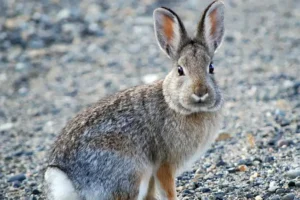
Mountain cottontails litter the state, often found in elevations 6,6000 ft or higher. Fun fact: rabbits participate in coprophagy, which means they eat their own poop! Eating their own droppings allows rabbits to absorb residual nutrients that their digestive system didn’t capture in the first digestion.
Ermine

The American ermine is often found in high-altitude regions, particularly in the mountainous areas of the state. These agile and elusive creatures are well-adapted to the rugged terrain, where they play an important role in maintaining the delicate balance of the ecosystem.
Raccoon

Raccoons have sensitive nerves in their front paws that act like taste buds and they possess remarkably dexterous front paws, which they use almost like human hands. They can manipulate objects, open containers, and even turn handles, showcasing their clever problem-solving abilities.
Ungulate Animals in the Park
Mountain Goat
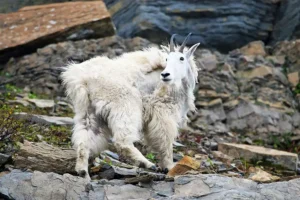
Mountain goats are incredibly skilled climbers, able to scale steep and rocky terrain with ease. Their hooves have specialized traction pads and sharp edges that enable them to navigate cliffs and narrow ledges with remarkable agility. Additionally, their exceptional balance allows them to leap up to 12 feet in a single bound.
Moose
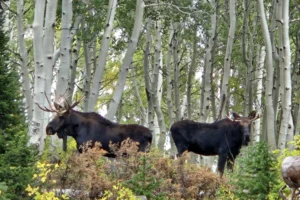
Moose are the largest deer species, with bulls reaching heights of up to 7 feet and weighing as much as 1,500 pounds. They’re excellent swimmers, often seen navigating bodies of water effortlessly.
Deer

Mule deer can be found throughout Utah. A fun fact about deer is that they annually grow and shed their antlers, a process regulated by hormonal changes. During growth, antlers are covered in a velvety skin that supplies blood and nutrients. Once fully developed, this skin is shed, revealing the hardened bone beneath, which the deer use for mating displays and defense.
Animal Tracking
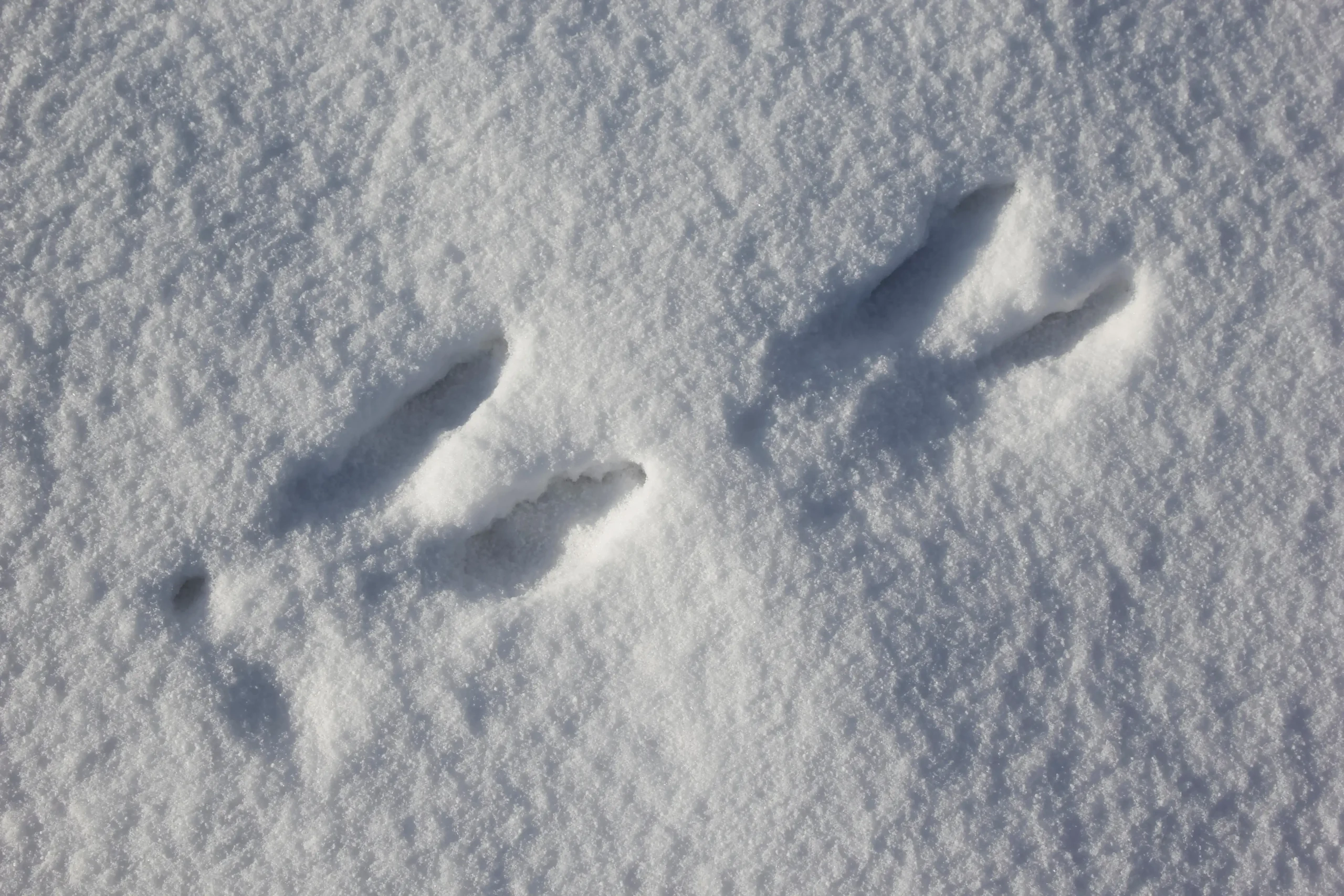
Embark on the adventure of animal tracking in Utah’s diverse landscapes. As you wander through the wilderness, observe the ground for signs of wildlife presence. Look for distinctive footprints, such as those left by bobcats, moose, and squirrels. Take note of disturbed vegetation, scat, and markings on trees, as they offer valuable clues about the animals that inhabit the area. By paying attention to these subtle details, you can unravel the stories written on the terrain and gain a better understanding of the local fauna’s movements and behaviors. Animal tracking is a simple yet rewarding way to connect with nature and heighten your awareness of the vibrant wildlife that shares the Utah wilderness with us.
Utah’s Watershed
Utah’s watershed is a complex, interconnected system where water circulates. This includes streams descending from the mountains, forming rivers and lakes that are essential for life in the region. The Wasatch Mountains play a vital role as the natural setting for this water network. Beyond being a source of water, the watershed acts as the lifeblood of the area, supporting a diverse range of plants and animals in the Wasatch ecosystem. It serves as nature’s mechanism to ensure the well-being of various species by providing essential resources.
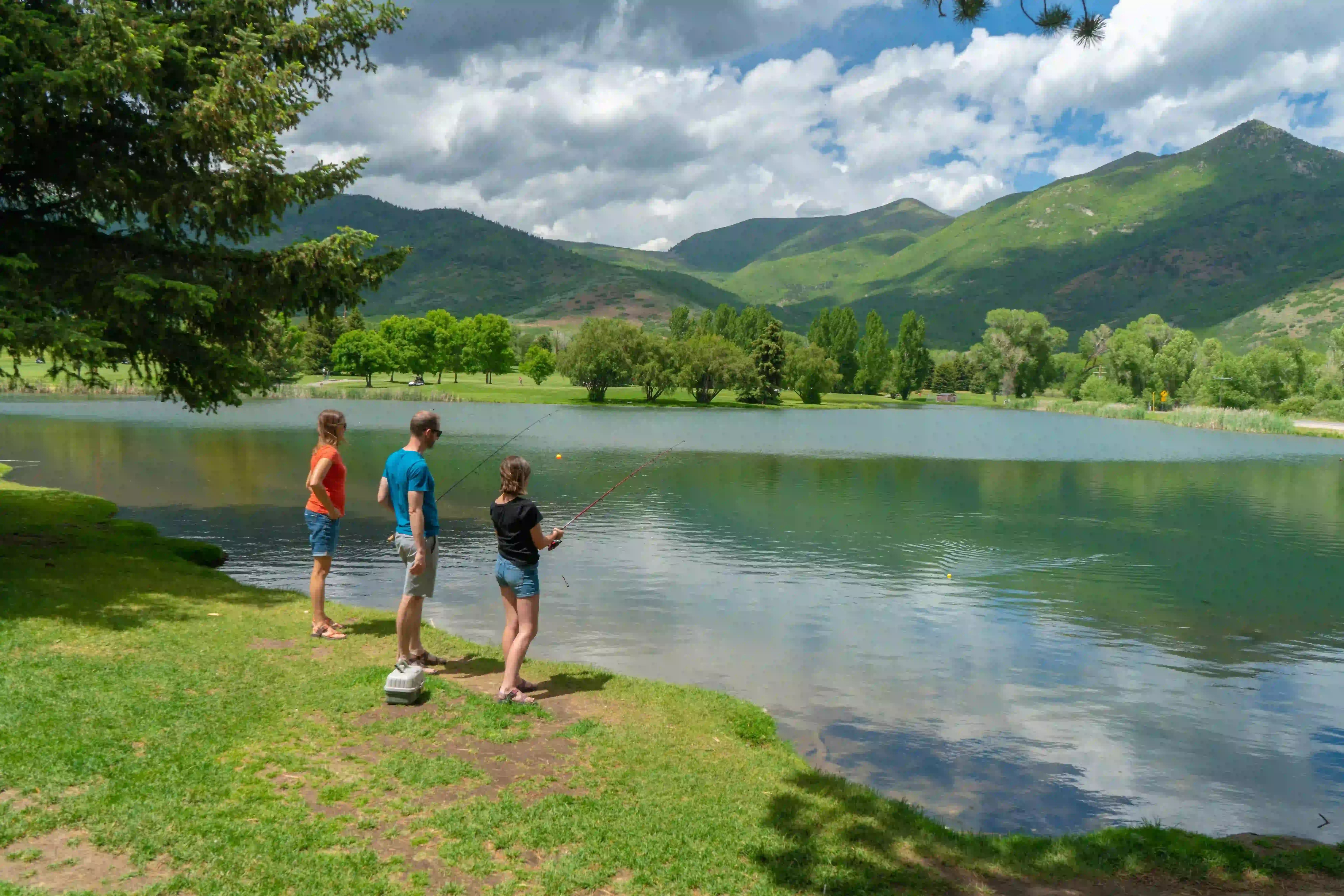
Utah’s Starry Nights
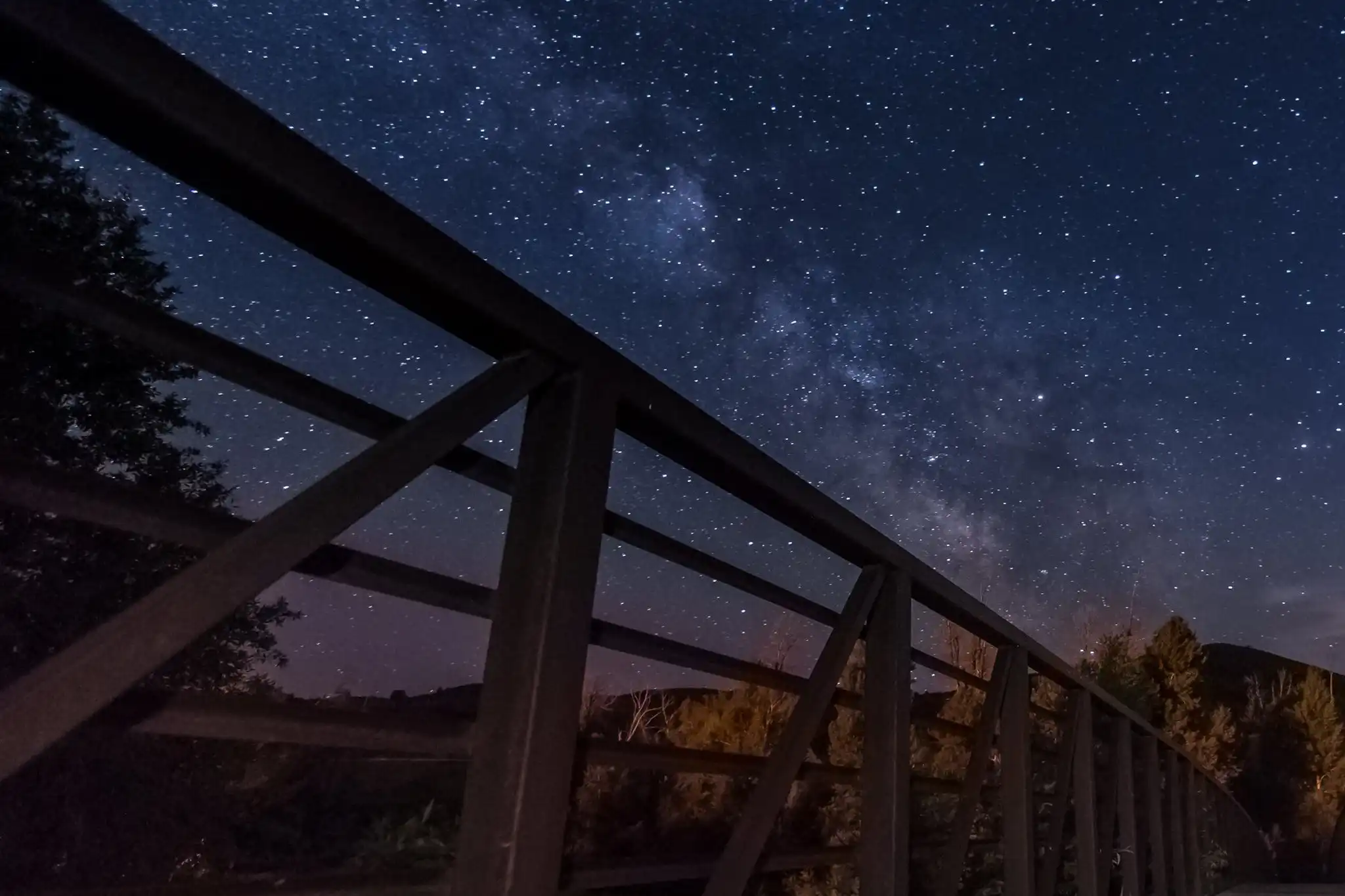
Utah’s expansive landscapes boast some of the darkest skies, providing a celestial canvas for stargazers and astronomy enthusiasts. Preserving Utah’s dark skies not only enhances the stargazing experience but also safeguards the natural habitat and circadian rhythms of wildlife. By minimizing light pollution, we can continue to enjoy the breathtaking celestial displays that make Utah’s nights truly magical.
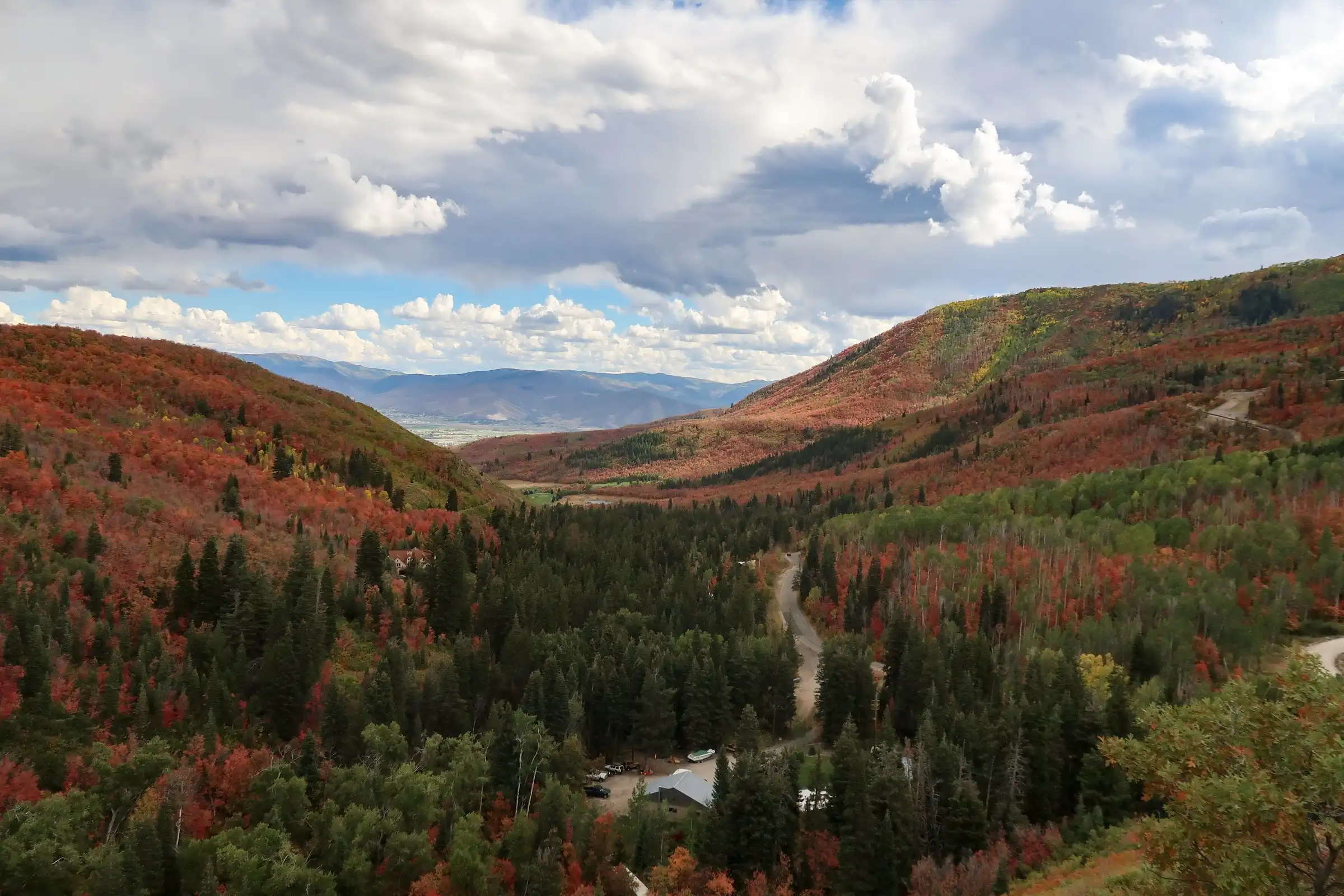
Exploring the Geographical Wonders of Utah
Wasatch Mountain State Park, nestled within the iconic Wasatch Range in Utah, boasts a geologically intriguing landscape shaped by tectonic and erosional forces. The park predominantly sits on Precambrian-aged rocks, formed over 600 million years ago.
These rocks include quartzite, shale, and limestone, showcasing the region’s complex geological history. The park’s topography is heavily influenced by faulting and folding, indicative of the tectonic activity that has occurred over millennia.
Additionally, the park is enriched with evidence of more recent geological phenomena, such as alluvial fans and river-cut canyons, highlighting ongoing erosional processes. Visitors can witness the results of these geological forces while exploring the numerous hiking trails, observing exposed rock formations and gaining insight into the geologic heritage of the Wasatch Mountains.
Utah’s Wild Habitats
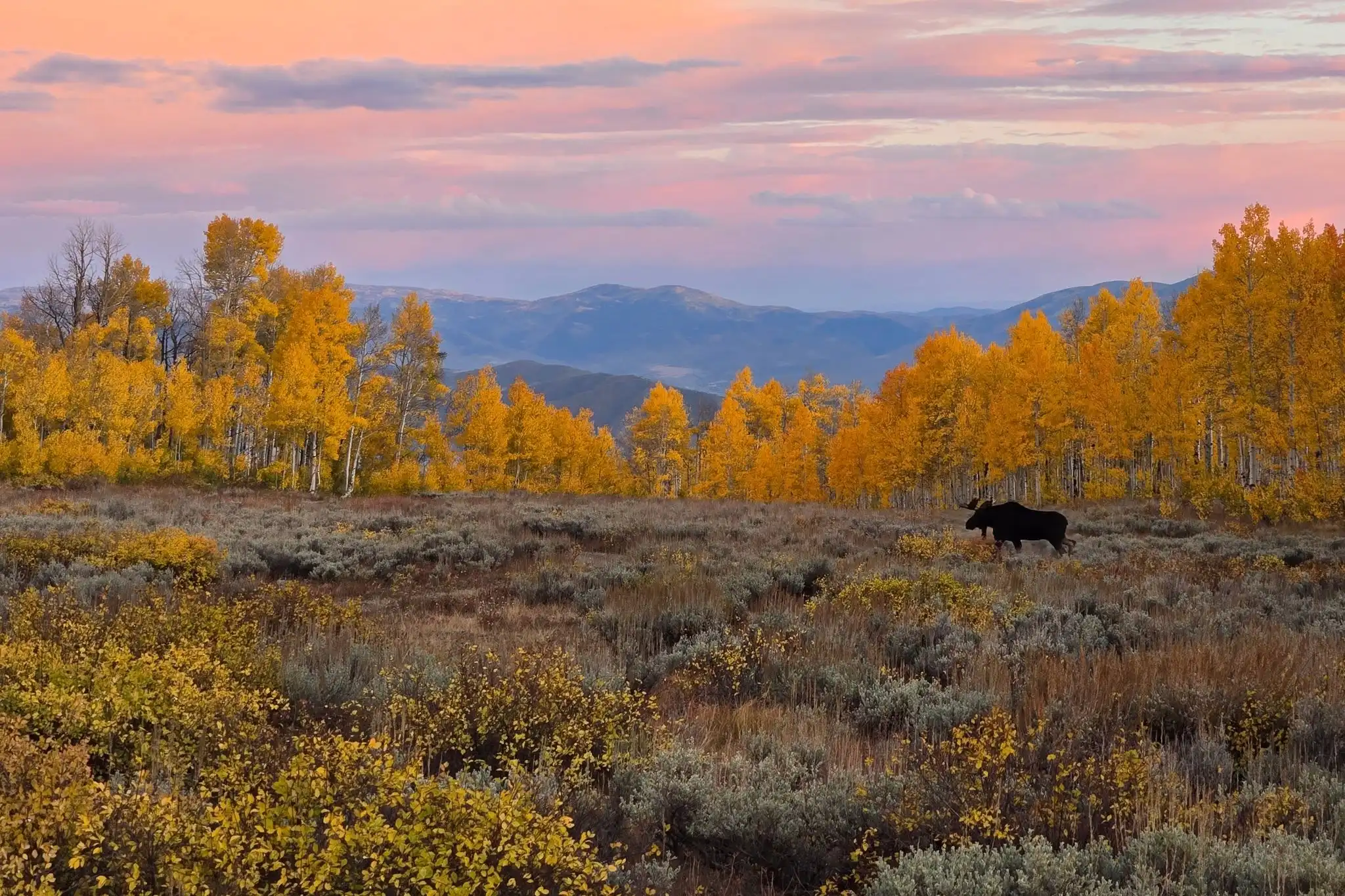
Many plants and animals call Wasatch Mountain State Park home. Like our homes, this natural habitat provides food, water, shelter and space necessary for survival. This includes wetland, forest, cliff and edge habitats.
Mining in Utah
Mining in Utah, particularly in the context of Park City, is deeply intertwined with the state’s history and economic development. The discovery of silver in the Park City area in the 1860s triggered a mining boom that shaped the region’s destiny. Park City quickly emerged as a vital mining town, transforming from a humble mining camp into one of the most prosperous silver mining districts in the West. The Ontario Silver Mine, one of Park City’s flagship mines, produced substantial wealth and played a pivotal role in establishing the town’s prominence. Photo part of the Multimedia Archives, Special Collections, J. Willard Marriott Library, University of Utah